

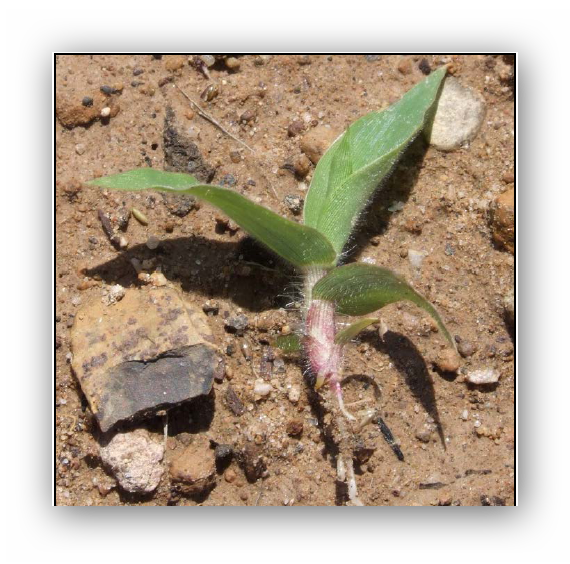
Witch Grass Seedling
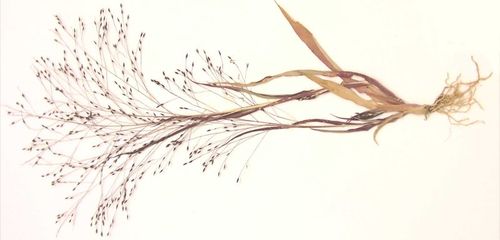
Witch Grass
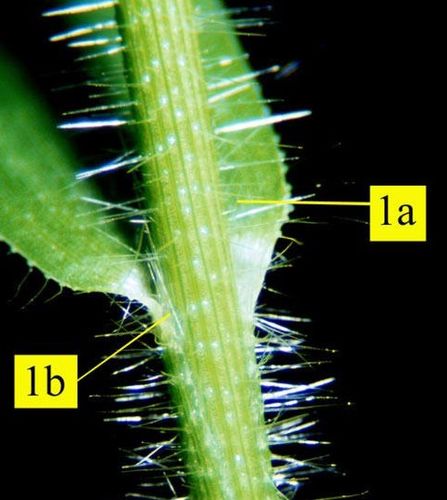
Witch Grass

Witch Grass Infestation
28
June, 2016
Panicum capillare L.
Coarse, very hairy grass starting each year from seed and having a vigorous seedling stage with wide leaves. The flowering head is an open, widely spreading panicle. At maturity these may break off and be scattered by the wind. Heavily infested fields have a tawny, brown color in early fall. May be confused with hairy tickle grass which has fine, delicate leaves.
Witchgrass can quickly outgrow blueberry plants and form dense stands of grass. It produces a very fine, bushy seed-head. This seed-head can break off in the fall and move with the wind, dropping seed with every bounce making control difficult, as new seed can move into fields every year if nearby populations are not controlled.
Certain cultural control methods can reduce the impact of witchgrass on the blueberry crop. Since this annual species is well suited to take advantage of any excess nutrients in the soil, over-fertilization of blueberry fields should be avoided. Reduced fertilizer use in heavily infested areas will also be beneficial. Because this weed also tends to establish in bare areas within the field, any practice to improve plant density would reduce the number of potential locations where witchgrass can establish. On the field scale, windbreaks could help decrease the spread of weed seed heads and act as seed-head collection areas. Cleaning equipment after use in weedy areas could limit seed movement into additional field areas.
Subscribe to our Awesome Newsletter.